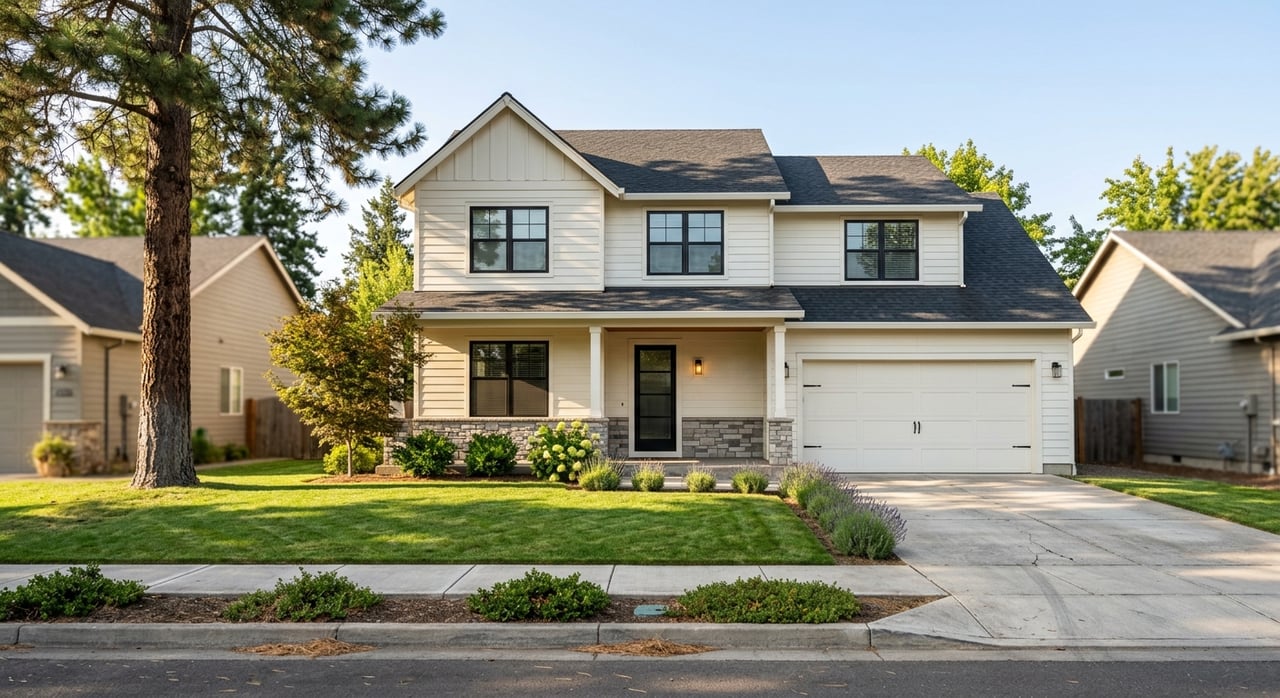
How First-Time Buyers Compare Spokane Neighborhoods
May 14, 2026
May 14, 2026
Buying your first home in Spokane can feel exciting right up until you realize one big truth: not all neighborhoods solve the same daily problems. You may love the look of one area, but your commute, errands, parking, and future resale plans may point somewhere else. If you are trying to compare Spokane neighborhoods in a practical way, this guide will help you sort through the tradeoffs with more confidence. Let’s dive in.
When first-time buyers compare Spokane neighborhoods, it helps to focus on five basics: commute, everyday services, parks and open space, housing age and layout, and price band. That approach lines up with how Spokane plans for housing, shopping, employment, and safer streets near higher-frequency transit.
In other words, the best neighborhood for you is not just the one that looks good on a Saturday showing. It is the one that fits how you will live Monday through Friday too.
Before you compare specific areas, it helps to know what the broader market looks like. According to Spokane REALTORS, April 2026 closings showed a countywide median close price of $420,000, a resale-only median of $409,000, 1,238 active listings, and 2.4 months of supply.
That gives you a useful starting point. If a neighborhood or subarea trends well above that level, you may need to adjust your wish list, search area, or home condition expectations.
North Spokane gives first-time buyers a wide range of choices. Some areas offer older homes and easier access to shops and downtown, while others lean more suburban with larger lots and a more car-dependent routine.
North Hill is one of Spokane’s older residential areas, with many early-1900s homes near former streetcar lines. You will find a mix of Craftsman bungalows, cabins, Tudor and Swiss Chalet styles, two-story farmhouses, and some newer homes and low-rise apartments farther north.
For many first-time buyers, the appeal here is daily convenience and character rather than uniform housing stock. The neighborhood profile highlights quiet streets, nearby shopping, parks, walkable destinations, and a short trip to downtown by bus, car, or bike.
If you like older homes and want a neighborhood where you can get to more places without feeling far from the city core, North Hill is a strong comparison point. It may be a fit if you value location and personality over a newer floor plan.
North Indian Trail offers a more suburban feel. The city describes the area as primarily single-family housing on relatively large lots with front and backyards, along with some duplexes, apartments, and condos near the shopping center.
This area also includes a commercial center, a library, a health clinic, and access to open space and river-gorge views. For a first-time buyer, that can mean a more spacious home setup with some nearby services, but also a routine that depends more on driving.
Many residents commute to central Spokane, and Indian Trail Road is the major transportation corridor. If your top priorities are a newer-feeling setting and larger lots, North Indian Trail may be worth a close look.
Five Mile Prairie stands out for buyers who want a near-city location with a country-living feel. The neighborhood includes newer suburban subdivisions along with remaining farmsteads, open fields, and broad plateau views.
The tradeoff is convenience. The city notes there are no neighborhood commercial businesses, so residents typically travel south for shopping and weekly needs.
That makes Five Mile Prairie a practical option for buyers who want more separation and open space. It may be less ideal if you want errands, coffee, or services close to home.
One of the biggest mistakes first-time buyers make is assuming all north-side areas fall into one price band. In Spokane REALTORS’ April 2026 report, north-region MLS subareas ranged from a $300,000 median close price to $786,000, with other north subareas around $342,950, $380,000, $490,000, and $570,000.
The takeaway is simple: north Spokane has a wide spread. That is why it helps to compare your target area by feel, function, and rough price range instead of relying on one broad label.
South Hill is often grouped together in casual conversation, but it works better as a set of smaller comparisons. Your experience can vary a lot depending on the pocket you choose, especially when it comes to parks, hills, home age, and walkability.
Manito/Cannon Hill is one of the clearest examples of a park-centered South Hill neighborhood. Most homes were built in the early twentieth century, and the neighborhood profile notes a short, walkable street grid, nearby parks and schools, and service from two Spokane Transit bus lines.
The neighborhood also benefits from close-in shopping and services around 29th and Grand. For buyers who want established homes and a daily routine tied to outdoor space, this area often stands out.
Manito Park is a major draw here. The city says it was established in 1904, covers 78 acres, includes five major garden areas, and is nationally recognized for its horticultural displays.
Comstock can be a smart middle-ground option for first-time buyers comparing South Hill neighborhoods. The city profile says residents can walk or bike to the South Hill Library, Manito Post Office, restaurants, coffee shops, grocery stores, banks, and other everyday services.
Housing here is also more varied than many buyers expect. Most of the neighborhood was built after World War II, though some homes date to the early 1900s, and the profile notes that housing ranges from small and affordable to large and expensive.
Comstock also offers access to High Drive and the Bluff Trails. If you want South Hill access, nearby services, and a mix of housing types, this is an area worth comparing closely.
Rockwood is one of the strongest examples of historic character on the South Hill. The neighborhood profile describes it as mature and stable, close to downtown, served by bus routes, and connected to a major bicycle route.
Its historic district contains 350 homes, with 279 classified as contributing properties when the district was certified in 1997. Tudor Revival and Colonial Revival styles are common, with smaller bungalows and cottages on adjoining streets.
Rockwood also shows why lot shape and topography matter. The city notes that many lots are large but have limited buildable area because of the hillside setting, which can affect outdoor layout, additions, and future changes to the home.
South Hill also spans a broad price band. In the latest Spokane REALTORS report, south-region MLS subareas ranged from a $338,238 median close price to $545,000, with other south-area medians around $375,000 and $528,000.
That means you should avoid treating the entire hill as one market. A better approach is to compare the specific pocket that matches your budget, lifestyle, and comfort with older housing features.
It is easy to get pulled toward curb appeal, mature trees, or a newer kitchen. Those details matter, but your long-term fit usually comes down to function.
Neighborhoods with good access to transit, daily services, and mixed-use corridors can be easier to explain to future buyers because they support everyday life. Spokane’s transit-oriented development planning highlights places where housing, shopping, employment, and safe streets overlap near high-frequency transit, including South Logan, North Division near Franklin Park, and North Monroe between Northwest Boulevard and Garland Avenue.
That is not a guarantee of future appreciation. It is simply a useful way to think about practical appeal and resale readability.
Older Spokane homes often come with details first-time buyers should evaluate carefully. In Manito/Cannon Hill, many original homes were built without garages, and detached garages were added later where space allowed.
That can affect storage, parking, and how the property functions day to day. In hillside areas like Rockwood, lot shape and buildable area may also affect how easily you can expand or rework outdoor space in the future.
These are not deal breakers. They are simply factors to weigh before you fall in love with a floor plan.
Suburban-style pockets often offer more space, but they can also mean more driving. Five Mile Prairie is the clearest example because it has no neighborhood commercial businesses, while North Indian Trail centers more activity around a main corridor, shopping, and services.
If reducing drive time matters to you, compare how often you would need to leave the neighborhood for groceries, coffee, appointments, or commuting. Spokane Transit also lists 14 park-and-ride lots in the region, which may help some buyers think more strategically about location and routine.
Many first-time buyers assume newer homes are always the safer or smarter option. In reality, newer construction may solve some issues, but it often comes at a premium.
Spokane REALTORS’ April 2026 report shows a resale median of $409,000 versus a new-construction median of $434,295. That does not mean newer is better or worse. It simply gives you context as you compare older in-town neighborhoods with more suburban-style pockets.
If you feel stuck, start by comparing neighborhoods in pairs or trios instead of trying to study all of Spokane at once. A helpful north-side comparison is North Hill versus North Indian Trail versus Five Mile Prairie.
On the South Hill, a strong comparison set is Manito/Cannon Hill versus Comstock versus Rockwood. These groupings make it easier to identify what matters most to you: walkability, parks, housing character, lot size, commute pattern, or access to services.
When you look at Spokane through that lens, your decision usually gets clearer. You are not just choosing a home. You are choosing how your day will work, how much flexibility you want, and what tradeoffs you are comfortable making over time.
If you want help comparing Spokane neighborhoods in a way that fits your budget, routine, and long-term plans, The Bill Richard Real Estate Group Inc offers the kind of practical, low-pressure guidance that can make your first purchase feel much more manageable.
Stay up to date on the latest real estate trends.
Our vision was to create a group of specialists that would provide exceptional and efficient service, second to none. With a strong emphasis on home staging, our consultative approach to the selling and buying of homes has served our clients well.