Relocating To Spokane: Shortlisting Neighborhoods From Afar
June 4, 2026
June 4, 2026
Moving to a new city without knowing its neighborhoods firsthand can feel like guesswork. If you are relocating to Spokane, you are likely trying to balance commute, home style, daily convenience, and long-term fit, all while making decisions from a distance. The good news is that Spokane gives you several strong local tools for narrowing your options before you ever arrive. With the right process, you can build a smart shortlist and avoid falling in love with the wrong area. Let’s dive in.
Spokane’s planning framework describes the city as a collection of neighborhoods, each with its own character, housing mix, transportation options, public services, and recreational opportunities. That matters when you are relocating because it means neighborhood identity is not just marketing language. It is reflected in how the city organizes planning, services, and local participation.
The city also maintains neighborhood profiles that give you a practical first look at each area’s history and major features. For a buyer coming from out of town, these profiles can help you quickly sort neighborhoods by feel, location, and general layout before you start comparing specific homes.
Before you compare neighborhoods, get clear on what your week actually looks like. A home can photograph well and still be a poor fit if the drive feels longer than expected, parking is limited, or the layout of the area does not match your routine.
Start by asking yourself a few simple questions:
This step sounds basic, but it keeps you focused on fit instead of just appearance. That is especially important when you are searching from afar.
A strong remote search usually starts with public, address-based local resources. Spokane offers several that can help you narrow your list in a grounded way.
The city’s neighborhood-profile library is a useful first pass. Each profile gives you a map, background, and a sense of what makes the neighborhood distinct.
This can help you sort options into broad categories such as close-in urban, established residential, or more northwest and edge-of-city settings. It is a practical way to move from “Spokane seems interesting” to a focused list of neighborhoods worth exploring.
Spokane also offers a neighborhood council lookup by address. Council pages note that meetings may be monthly, bi-monthly, or quarterly, and some offer virtual participation.
For remote buyers, that can be a surprisingly helpful window into neighborhood context. You may not attend every meeting, but seeing how a neighborhood organizes itself can tell you a lot about local activity, priorities, and engagement.
Spokane County’s parcel maps are another valuable tool when you are shopping from a distance. They can help you see lot shape, parcel size, and nearby property context in a way listing photos often do not.
This matters because two homes with similar square footage can feel very different on the ground. A parcel map can help you spot whether a home backs to a different use, sits on an irregular lot, or has surroundings that deserve a closer look.
For commute research, start with Spokane Transit Authority tools for routes, schedules, stop lookup, and trip planning. Regional transportation planning from SRTC is also useful for comparing how people move through the area by driving, transit, walking, biking, and carpooling.
If you are relocating for work or want to reduce drive time, this should happen early in the process. Commute reality often changes which neighborhoods belong on your shortlist.
If you are just beginning your search, it helps to compare Spokane neighborhoods by pattern rather than trying to master every area at once. Here are a few broad examples that many relocating buyers consider.
Browne’s Addition is known in city planning materials as a high-density residential neighborhood close to downtown with historic character, walkability, transit routes, bicycle routes, and a mix of stately homes, low-rise apartments, and condos. If you want an in-town setting with easier access to downtown, this type of neighborhood may belong on your list.
Cliff/Cannon offers another close-in option on the South Hill. City materials describe it as a historic neighborhood with an elevated setting, proximity to downtown, neighborhood shopping, parks, trail access, and regional medical centers. The housing mix includes historic mansions, older homes, condominiums, apartments, and restoration projects.
These areas can appeal if you value character, central access, and a mix of housing types. They are worth a closer look if you want more urban convenience and a neighborhood with established identity.
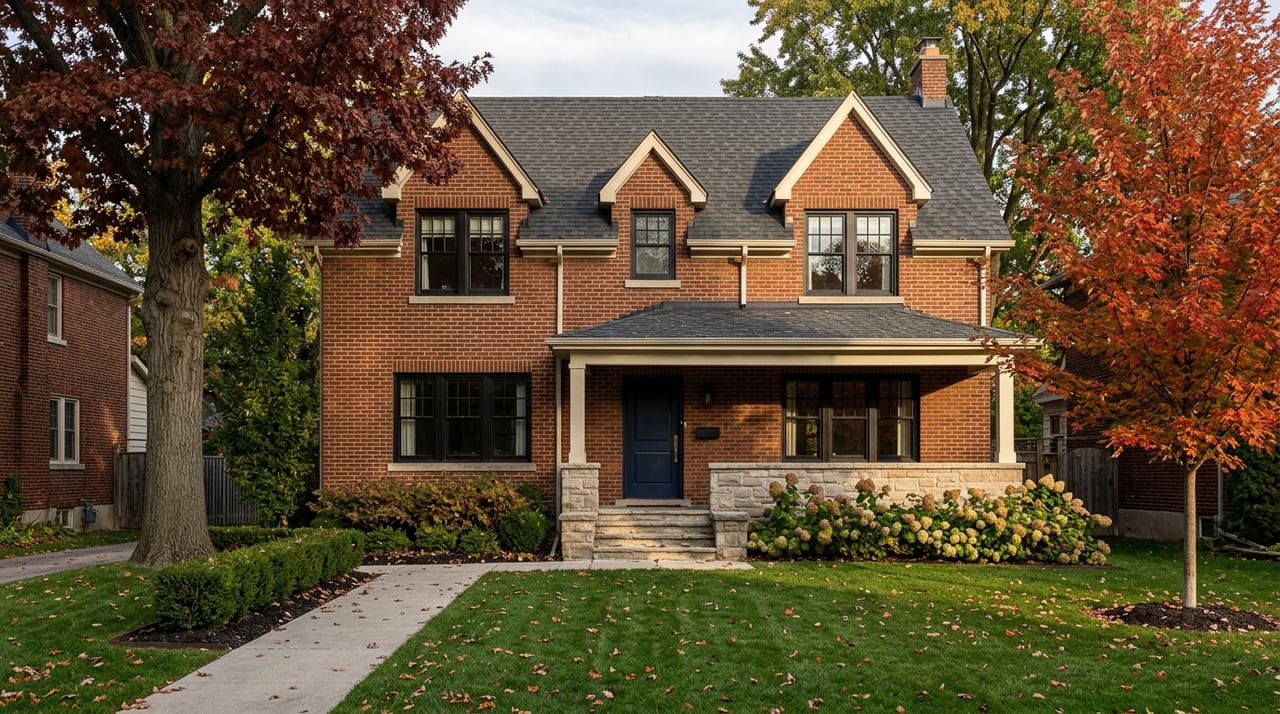
Manito/Cannon Hill is one of the established South Hill neighborhoods that often comes up in relocation searches. The city profile notes that it has been fully developed for decades and is made up mostly of mid-sized single-family homes, with many alleys, mature pines, and street trees.
For buyers looking for an established residential setting, this kind of neighborhood can feel very different from a close-in condo district or a newer edge-of-city area. The topography also varies, with higher ground in the south and a slope toward the river valley in the north, which is useful to know when evaluating access and daily driving patterns.
If you are looking for more space, different terrain, or a less central setting, north and northwest Spokane may be part of your search. North Indian Trail is mostly developed and includes relatively large city lots, mostly single-family homes, and some duplexes and apartments near shopping.
Five Mile Prairie sits on a mesa in the northwest corner of the city. The broader Northwest area is shaped by the Spokane River boundary, river access, wildlife, hilly terrain, basalt features, greenbelts, and quieter residential pockets.
Audubon/Downriver is another northwest-area option, with planning materials emphasizing river use, conservation park land, and long-standing park resources. For some buyers, these patterns are a better match than a denser close-in neighborhood.
If school assignment matters to your move, use exact property addresses when checking boundaries. Spokane Public Schools states that students attend the geographic school designated to serve their address based on attendance boundaries, and those boundaries can change.
That means neighborhood name alone is not enough. Spokane Public Schools, Mead, and Central Valley all provide boundary or attendance locator tools, so it is best to confirm each home individually rather than assume a whole neighborhood feeds to one school.
When buyers relocate, it is easy to focus on the house and overlook the routines that shape daily life. Spokane offers a wide range of public amenities that can help you compare neighborhoods more realistically.
The Spokane Public Library system has seven locations, digital resources, and meeting rooms. The city park system includes more than 4,100 acres of green space and 87 neighborhood parks, and Riverfront Park is a 64-acre downtown park with Centennial Trail access.
You do not need to rank neighborhoods by one feature alone. Instead, look at how parks, library access, transit, and nearby services fit the way you plan to live.
A relocation purchase is not only about your next move. It is also about keeping future options open.
Spokane REALTORS reported 1,238 total units of inventory, 525 closed sales, and a median closed price of $420,000 for April 2026. While no one can promise future value, it is smart to look for neighborhoods that show the basics many buyers continue to care about: transportation access, nearby services, parks, and a clear neighborhood identity.
That approach fits Spokane’s own planning priorities and gives you a more practical resale lens. In other words, you are not just buying a house. You are choosing the context around it.
Online research can get you far, but not all the way. Photos rarely tell you how a street feels, how steep a block is, how parking works, or what sits just beyond the frame.
That is where local guidance matters. A Spokane team can help verify block-by-block character, slope, parking, adjacent land uses, school assignment, and whether the commute feels realistic in everyday conditions.
For multigenerational households, this is especially useful. Layout, parking, transit access, proximity to parks, and daily services often matter more than the neighborhood label itself.
If you want a simple process, follow this order:
This approach keeps emotion in check and helps you make a decision that supports both your move and your long-term goals.
If you are relocating to Spokane, the goal is not to memorize every neighborhood from afar. It is to identify the right few, ask better questions, and use local tools to avoid preventable surprises. That is where a calm, consultant-first process can make the move feel much more manageable.
If you want help narrowing Spokane neighborhoods from a distance, The Bill Richard Real Estate Group Inc offers practical local guidance, relocation support, and on-the-ground insight to help you shortlist with confidence.
Stay up to date on the latest real estate trends.
Our vision was to create a group of specialists that would provide exceptional and efficient service, second to none. With a strong emphasis on home staging, our consultative approach to the selling and buying of homes has served our clients well.