Four-Season Living In Spokane: Home Life Through The Year
July 9, 2026
July 9, 2026
Wondering what it really feels like to live in Spokane through all four seasons? If you are buying, selling, or planning a move, climate is not just small talk here. It shapes your routines, your home maintenance, and even how you use your space month to month. This guide walks you through what Spokane’s seasons look like in practical terms, from snowy winters to dry summers, so you can plan with more confidence. Let’s dive in.
Spokane gives you a true four-season experience. Based on 1991 to 2020 climate normals at Spokane International Airport, the area sees an annual mean temperature of 48.6°F, about 16.45 inches of precipitation, and about 45.4 inches of snowfall each year. Those numbers make it easier to understand why home life here changes so much from season to season.
The same climate data shows about 20.8 days each year at or above 90°F and about 132 days with minimum temperatures at or below 32°F. In other words, Spokane is not a one-season market. If you live here, you will likely think about heating, cooling, yard care, and outdoor access differently in January than you do in July.
Spring in Spokane feels like a reset. After a long freeze season, many homeowners shift their focus from heating and snow to cleanup, drainage, and getting outdoor systems ready again. It is a practical season, not just a pretty one.
This is a smart time to inspect your roof, gutters, and downspouts for anything winter may have left behind. It is also a good time to check irrigation before the dry season starts. Because Spokane summers are much drier than spring, getting ahead of those tasks can make the rest of the year easier.
A simple spring checklist can help you stay organized:
For many buyers, spring also gives a clearer picture of how a property handles water runoff and yard transition. That can be useful when you are comparing homes and thinking beyond curb appeal.
As temperatures moderate, Spokane’s park system becomes part of daily life again. The city says Spokane has more than 4,100 acres of protected green space and 87 neighborhood parks. That means outdoor time often feels close and convenient rather than something you need to plan as a major outing.
If you are relocating, this is one reason Spokane appeals to so many households. You can settle into a neighborhood routine that includes walks, open space, and local parks without waiting for peak summer.
Summer is warm, dry, and very usable in Spokane. July normals show an average high of 84.4°F, an average low of 57.6°F, and just 0.42 inches of precipitation. That combination tends to shape both home routines and outdoor habits.
Instead of planning around frequent rain, many people plan around heat and sun. Early mornings and evenings often become the best time for yard work, walks, and outdoor relaxation. If a home has a shaded patio, mature trees, or comfortable outdoor living space, summer is when those features can really stand out.
Because summer is Spokane’s driest stretch, irrigation matters more in July and August than it does in spring or fall. WSU Extension notes that plant water use is much higher during those hotter months. That is why homeowners often need to monitor watering schedules more closely as temperatures and wind change.
Early morning is often the most practical time to water. It can help you use water more efficiently while supporting lawns, gardens, and landscape plants during the driest part of the year.
Summer is also when Spokane’s river and trail access become especially valuable. Riverfront Park is a 64-acre downtown park with views of Spokane Falls, walking paths, Centennial Trail access, and entertainment spaces. It is open daily from 6 a.m. to midnight, which supports everything from morning walks to evening outings.
The Spokane River Centennial State Park Trail runs 40 miles from Nine Mile Recreation Area to the Idaho border. Riverside State Park adds hiking, mountain biking, horseback riding, boating, and other recreation along the river corridor. For many buyers, access to these kinds of amenities is part of how they evaluate where they want to live.
Late summer and early fall can also bring wildfire smoke. Washington Department of Health says wildfire smoke is a growing health risk in Washington during summer and early fall, and Washington Ecology tracks smoke conditions and forecasts across the state.
That does not mean every summer is defined by smoke, but it does mean flexibility matters. Some households pay closer attention to indoor filtration, while outdoor plans may shift based on current air quality.
Fall is when Spokane homeowners start preparing seriously for colder weather. It is the season to reset systems, reduce watering, and handle exterior cleanup before freezing temperatures become common again. If spring is about reopening the house to the outdoors, fall is about protecting it.
This is also when many buyers start noticing how well a home is set up for the months ahead. Heating reliability, drainage, and basic exterior upkeep can feel more important when the weather starts turning.
A solid fall checklist usually includes:
WSU Extension notes that irrigation needs in April and October are often less than half of what similar plants need in July and August. That makes fall a natural time to dial back water use and prepare systems for winter.
For sellers, fall can highlight a home’s level of care. Clean gutters, orderly yard cleanup, and a house that feels ready for colder weather can send a strong message that the property has been maintained thoughtfully. In a climate like Spokane’s, buyers often notice those practical details.
That is one reason preparation matters so much before listing. A home does not need to be flashy to make a strong impression. It needs to feel well-cared-for, functional, and ready for the season ahead.
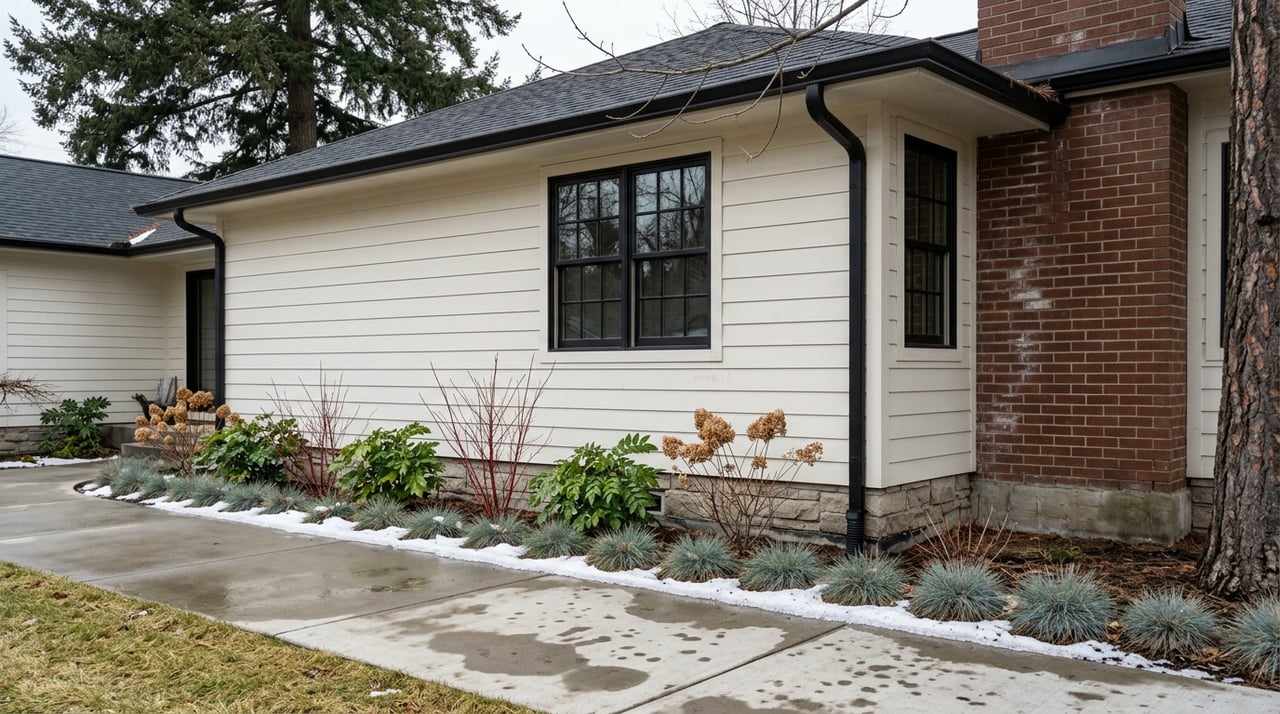
Winter is the season that defines Spokane most clearly for many residents. January normals show an average high of 34.5°F, an average low of 24.7°F, and about 12.3 inches of snowfall for the month. The region also sees many winter days with overnight temperatures at or below freezing.
That reality shapes daily routines in a big way. Heating performance, snow management, and freeze prevention are not occasional concerns. They are part of normal winter homeownership.
In winter, comfort and reliability matter most. Small maintenance issues can become bigger headaches when temperatures stay cold, so staying ahead of them usually pays off.
A practical winter focus often includes:
For buyers, this is part of the reason Spokane home searches should go beyond finishes and layout. A home also needs to work well in real winter conditions.
Living in Spokane does not mean winter shuts everything down. Mount Spokane State Park offers nearly 37 miles of groomed Nordic ski trails and 16 miles of groomed roads for snowmobiles, along with snowshoeing, back-country skiing, fat-tire biking, downhill skiing, and snowboarding. It is also the only Washington state park with downhill skiing and snowboarding.
In addition, portions of the Spokane River Centennial State Park Trail in Riverside State Park are groomed for cross-country skiing and fat tire biking during winter. That helps explain why many locals see winter as an active season rather than a season to wait out.
If you are buying in Spokane, the weather should shape how you think about daily life in a home. A property may look great online, but you also want to consider how it functions in four very different seasons. That includes heating and cooling performance, drainage, irrigation setup, and how easy it is to manage outdoor spaces.
Lifestyle matters too. In Spokane, many buyers think about location in terms of access to parks, trails, river amenities, and winter recreation, not just commute routes. A consultant-first home search should look at both the house itself and how it supports your year-round routine.
If you are selling, Spokane’s seasonal cycle can help shape your strategy. Buyers may picture the same home differently depending on the time of year. In summer, they may focus on outdoor living and shade. In winter, they may notice heating comfort, snow access, and how protected the entry feels.
This is where preparation becomes important. Seasonal maintenance, thoughtful presentation, and honest pricing help buyers see value more clearly. In a four-season market, the home’s readiness for real daily life is part of the story.
Whether you are buying your first home, preparing to sell a longtime property, or relocating to the Spokane area, local guidance can make those seasonal tradeoffs easier to evaluate. If you want practical advice tailored to your goals, connect with The Bill Richard Real Estate Group Inc.
Stay up to date on the latest real estate trends.
Our vision was to create a group of specialists that would provide exceptional and efficient service, second to none. With a strong emphasis on home staging, our consultative approach to the selling and buying of homes has served our clients well.